

Eco-Campus
International Conference 2025
Transforming Higher Education for Climate Action: A Whole-System Approach
📍 Pusat Belia Antarabangsa (International Youth Centre), Kuala Lumpur, Malaysia
18-20 September 2025
Overview
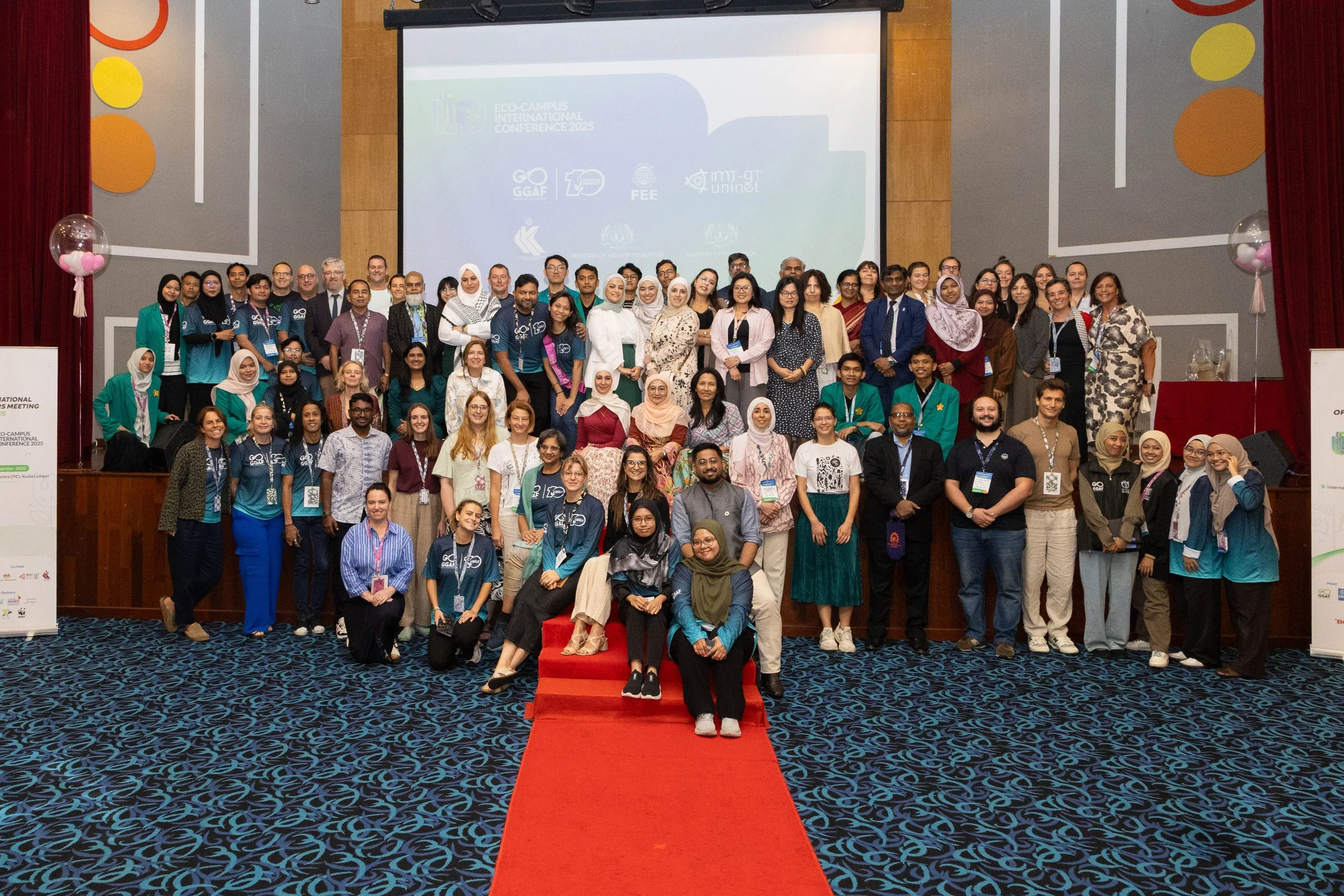
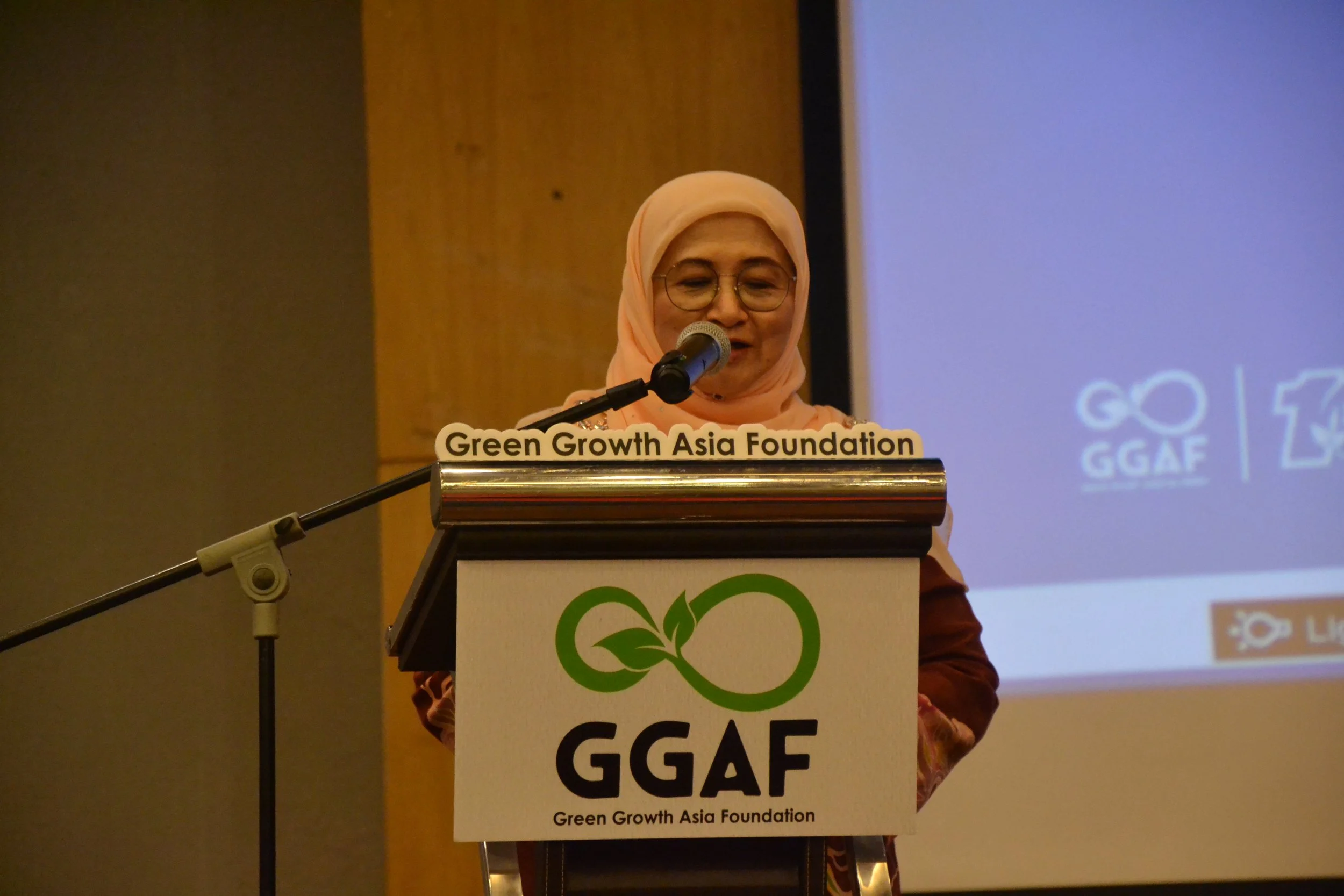
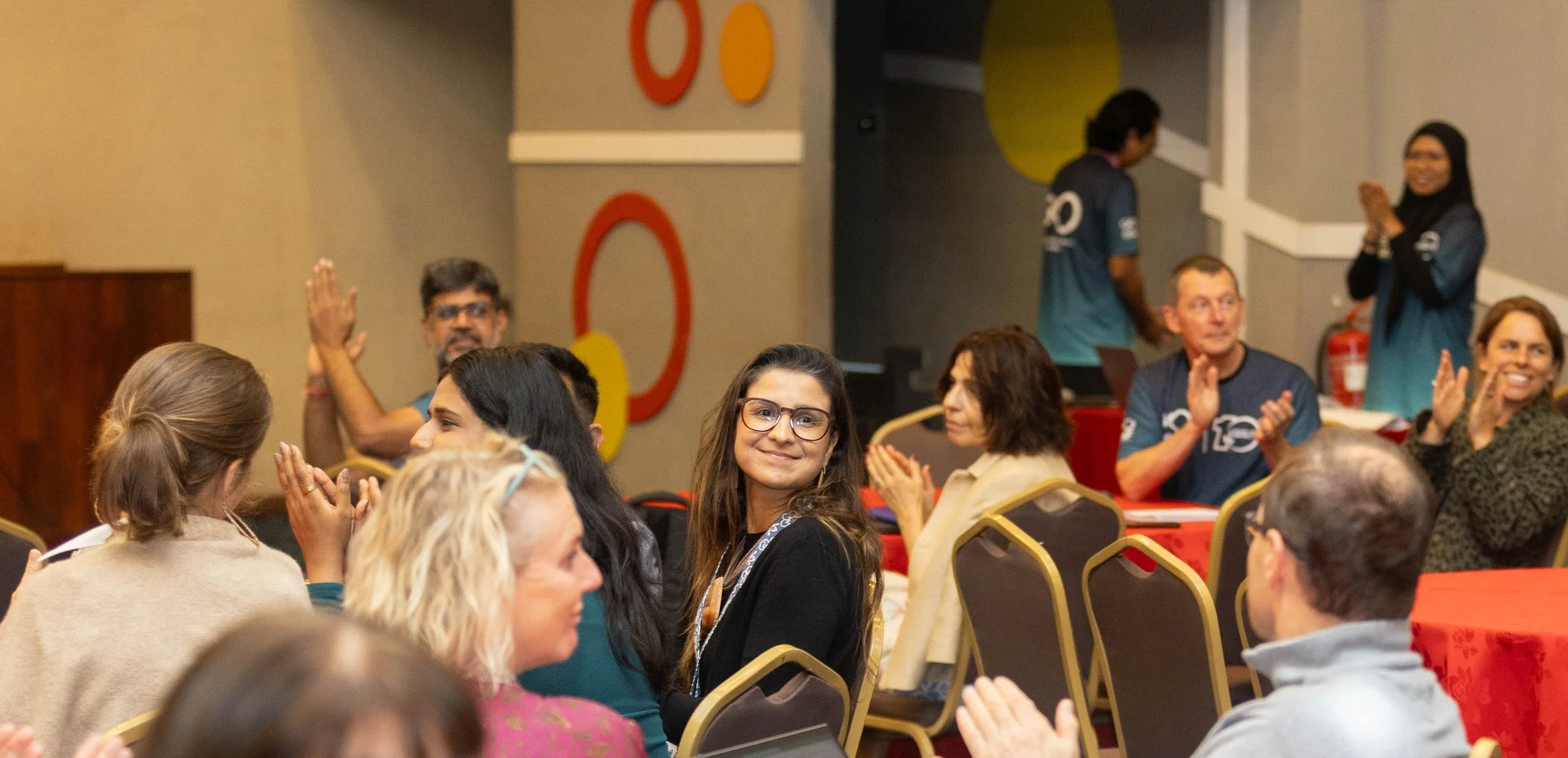
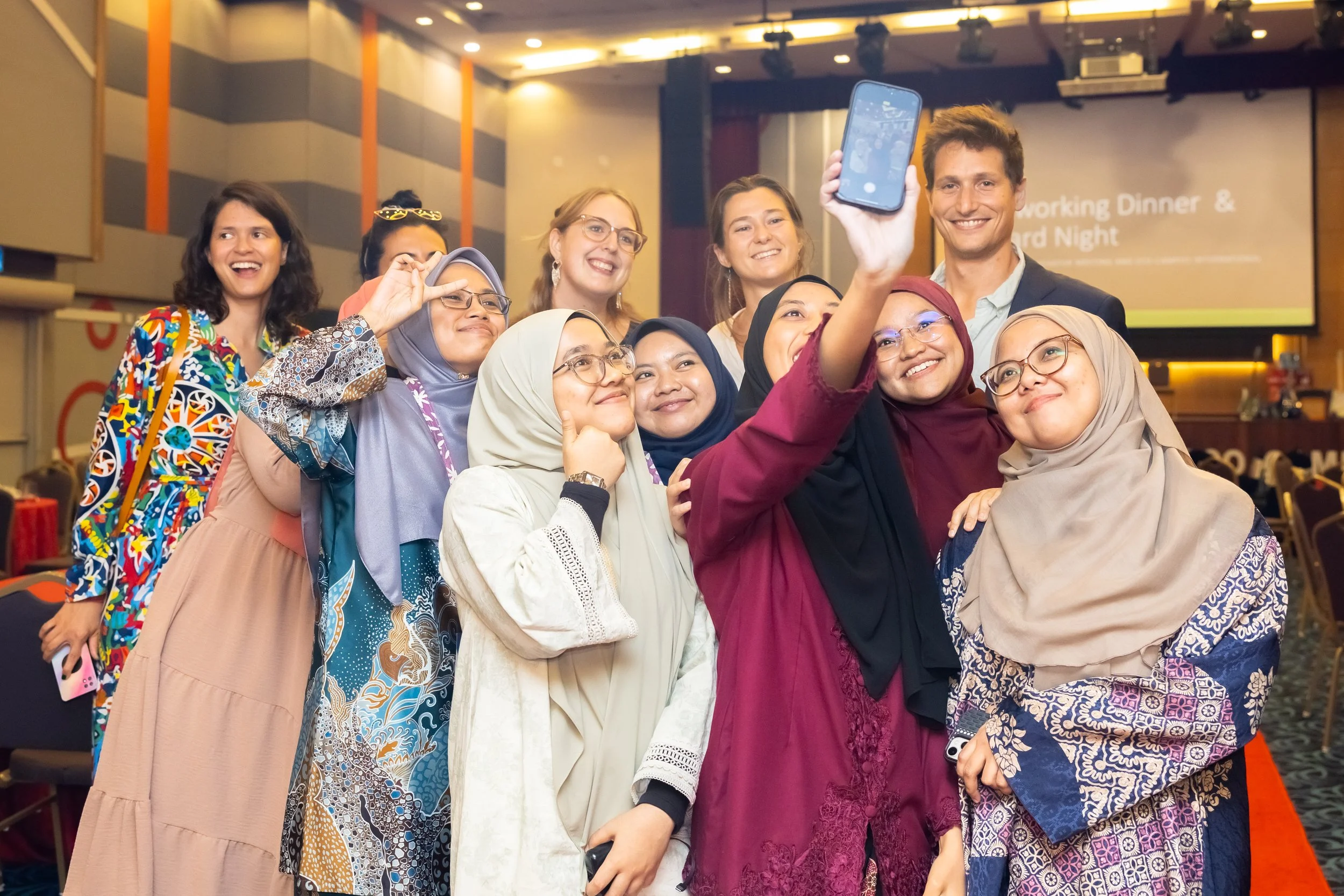
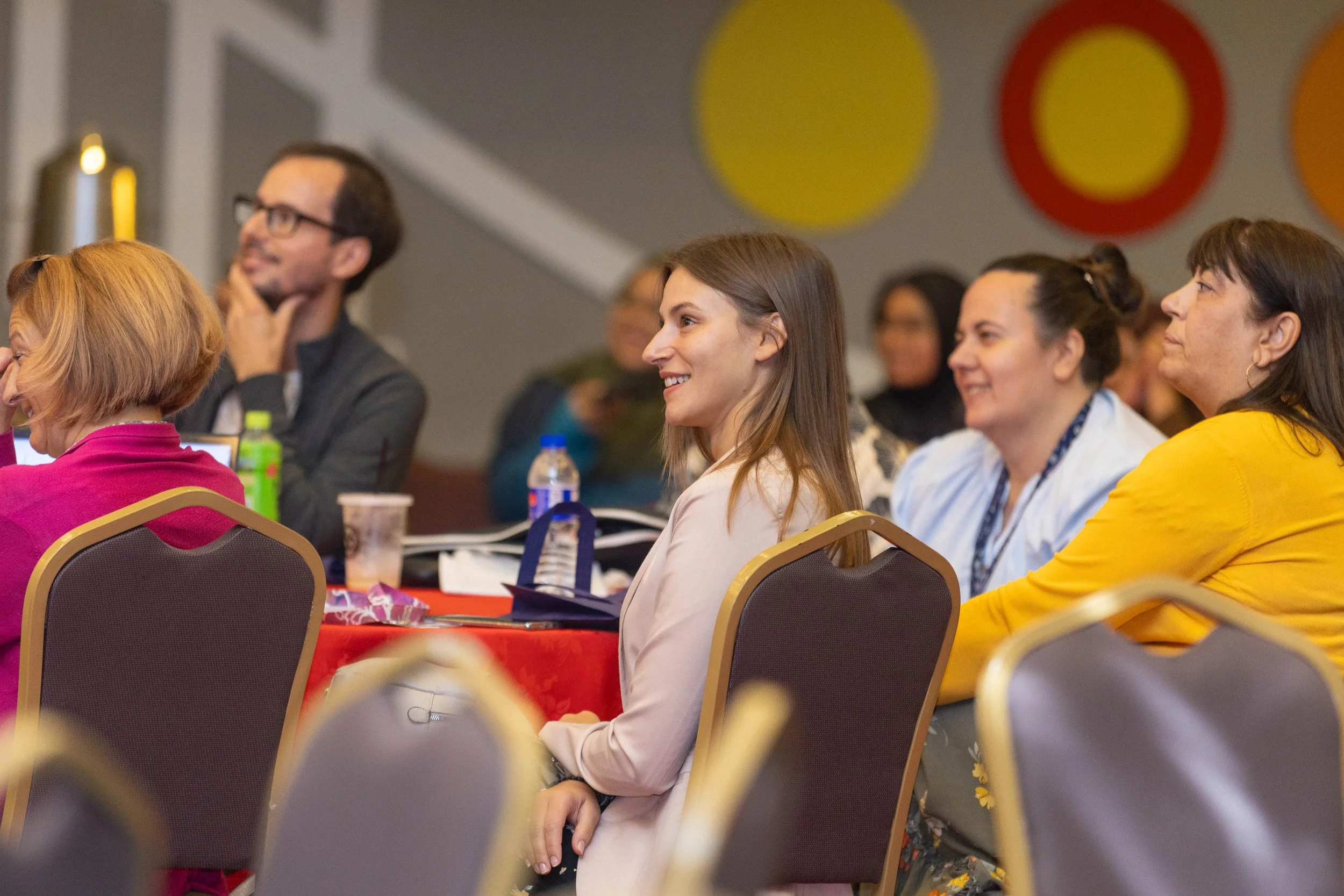
The second Eco-Campus International Conference, organised by Green Growth Asia Foundation (FEE member in Malaysia) in collaboration with the IMT-GT UNINET and the Foundation for Environmental Education (FEE), was held from 18 to 20th September 2025 2024 at the International Youth Centre in Kuala Lumpur, Malaysia. Building on the success of the inaugural event in 2024 hosted by ABAAE (FEE member in Portugal) in Lisbon, this second edition examined the transformative role of Higher Education in advancing sustainability and climate action across teaching, research, governance, operations, and community engagement. Participants explored how whole-system approaches - spanning disciplines, sectors, and education levels - can drive meaningful progress toward ecological resilience. The conference welcomed students, academics, facilities staff, and administrators from diverse countries.
This event was supported by the Ministry of Higher Education Malaysia, Ministry of Education Malaysia, International Youth Centre, IMT-GT UNINET, UNESCO, SDSN, Eco-Campus Sustainability Action Nexus, Asian Development Bank, and ICLEI - Local Governments for Sustainability. This conference also commemorates the 10th anniversary of GGAF.
CONFERENCE PRESENTATIONS
A total of 38 presentations were given during parallel sessions. The topics covered 6 themes and showcased the diversity of approaches driving sustainability in education. Click on the title to download the PDF booklet containing the presentations from each parallel session:
Whole-system approaches (chaired by Karen Chand, UN SDSN) highlighted interdisciplinarity, teacher training, and the role of HE in shaping real policy change.
Cross-sector partnerships (chaired by Dr. S. Anandan Shanmugam, GGAF) shared inspiring collaborations between HEIs, schools, NGOs, and industry.
Greening vocational education (chaired by Prof. Dr. Aftab Uddin, Bangladesh) presented how TVET and career counselling can prepare a green workforce.
Greening education across all levels (chaired by Prof. Paul Pace, FEE Malta) showed how local initiatives, from gardens to ethnographic studies, link schools and communities with higher education.
Sustainable campus initiatives (chaired by Margarida Gomes, ABAAE, Portugal) offered case studies from Portugal, Bangladesh, Ireland, India, Qatar, and Africa on embedding sustainability and treating campuses as living laboratories.
Student leadership (chaired by Deirdre O’Carroll, An Taisce, Ireland) celebrated student committees and research-led projects in areas such as renewable energy, biodiversity, and the circular economy.
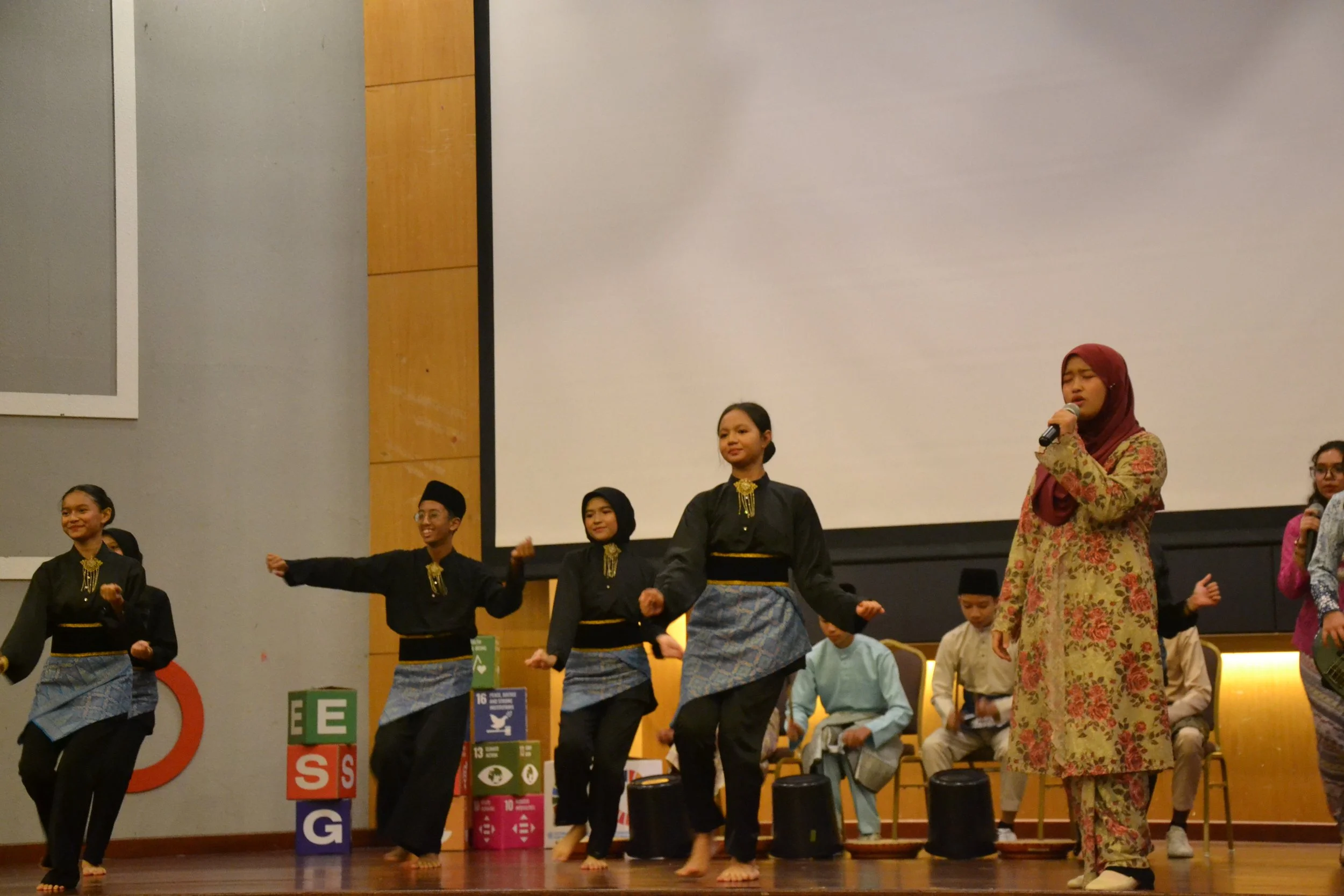
In addition, plenary sessions and workshops were held by key experts of Education for Sustainable Development (ESD).
Conference Objectives 2025
Develop actionable sustainability strategies: Enable higher education institutions (HEIs) to develop and implement scalable sustainability strategies aligned with the Eco-Campus framework and the objectives of GEP.
Foster multi-disciplinary learning and multi-sector collaboration: Initiate and strengthen partnerships between educators, higher education institutions (HEIs), policymakers, private sector stakeholders, and community organizations to co-develop and implement sustainable projects. This collaboration will focus on leveraging complementary expertise and resources to address real-world sustainability challenges and ESD integration at all levels of education.
Bridge academia, industry, policy and practical application: Ensure effective knowledge transfer by facilitating discussions between academic researchers, policymakers, educators, and industry practitioners. This dialogue will focus on translating sustainability-focused research into actionable policy recommendations, education systems, business practices, and community-driven solutions.
Showcase best practices and provide practical solutions: Highlight successful strategies, projects, and initiatives that demonstrate the implementation of the Eco-Campus framework in campus operations, governance, and community engagement. Equip participants with tailored tools, frameworks, and resources inspired by these examples to enable measurable and long-term impact at their institutions.
Empower youth and educators: Strengthen the leadership capacity of youth by showcasing and supporting student-led sustainability initiatives, while equipping educators with tools and frameworks to nurture sustainability competencies in students.
Promote green career pathways: Foster synergies between K-12, higher education, and professional training to contribute to a cohesive educational framework that equips learners with skills for green jobs and sustainability-focused careers.
Key Insights 2025
Her Highness Tengku Puteri Raja Ilisha Ameera, representing the Crown Prince of Pahang, called on the Ministry of Education to endorse Eco-Campus as a national initiative.
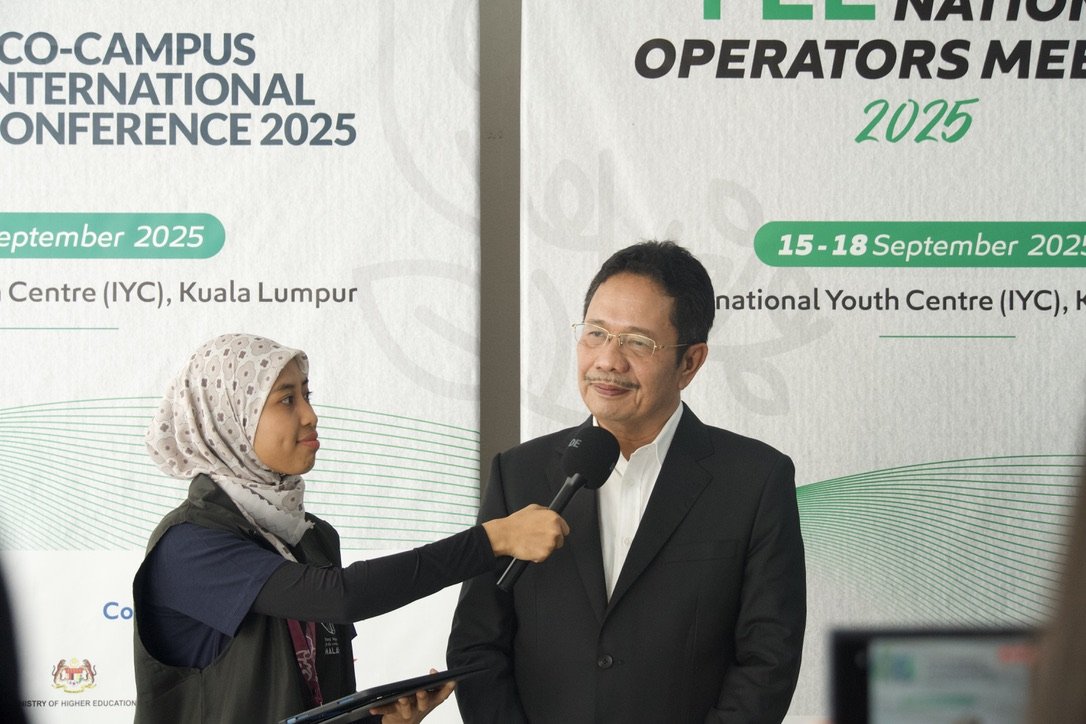
An inspiring keynote speech by Tan Sri Dzul reminded us that “climate change requires whole system change” and proposed a 21st Century shift from “Manpower, Mindset and Machine” to “Humanity, Heartset and High-touch” (compassion) via Education for Sustainable Development (ESD).
Professor Katrin Khol (UNESCO Co-Chair, York University) and Dr. Subarna Sivapalan (University of Nottingham Malaysia) shared findings from the UNESCO Transforming Futures project in a highly interactive session, exploring the Whole Institution Approach (WSA) in the context of Higher Education and how this vision can be expanded to create a WSA.
Professor Charles Hopkins (FEE/UNESCO Chair) ran a co-creative session ‘FEE University’ exploring 12 themes for systemic transformation in Higher Education proposed by participants, including sustainable leadership, inclusivity, student advocacy, and alumni engagement.
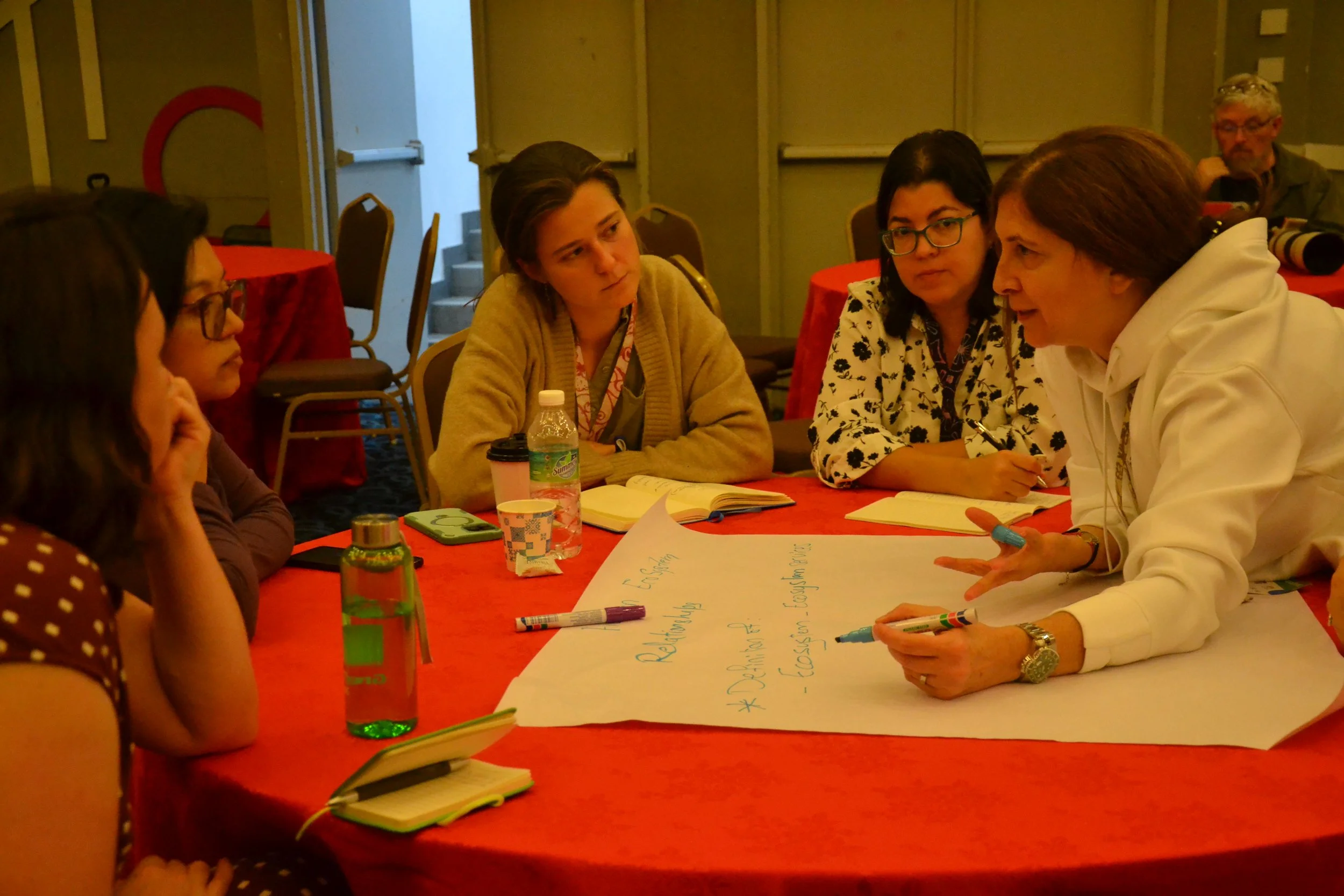
Pramod Kumar Sharma and Lee Wray-Davies (FEE) led a hands-on workshop on embedding ecosystem restoration in practice, taking frameworks into flagship projects.
Global Eco-Campus initiatives were showcased from Portugal, Bangladesh, Ireland, India, Qatar, and Africa.
Student leadership shone: Irish campuses nurturing student committees; student-led research from Universitas Syiah Kuala (Indonesia) on wildlife monitoring, circular economy, and renewable energy.
The conference confirmed the central role of Higher Education within the UNESCO Greening Education Partnership (GEP). The GEP calls for system-wide approaches across four action tracks: schools, teacher training, curriculum, and the whole system.
The conference made clear that higher education is both a driver of systemic change and a bridge across education levels and sectors. Emerging outcomes included:
A shared articulation of the dimensions of a Whole-System Approach: governance, pedagogy, student leadership, teacher training, vocational pathways, industry partnerships, internships, policy engagement, campus operations, applied research, values, and contextual adaptation.
Renewed emphasis on teacher training and CPD to mainstream ESD across all levels of education.
Strong recognition of student leadership as central to climate solutions.
Evidence of how partnerships and local innovation can scale into global impact.
These outcomes align directly with the UNESCO GEP, which calls for system-wide change across schools, teacher training, curricula, and whole-institution transformation.
Organisers

Foundation for Environmental Education (FEE) is a global non-governmental organization established in 1981, dedicated to promoting environmental education and sustainability worldwide. With over 100 member organisations in 81 countries and 40 years of impactful experience, FEE empowers institutions and communities through its internationally six recognized environmental education programmes: Eco-Schools, Young Reporters for the Environment (YRE), Learning about Ecosystems & Forests (LEAF), Green Key, Blue Flag and Eco-Campus.

Green Growth Asia Foundation (GGAF) has been a driving force in advancing environmental education and sustainability in Malaysia for a decade. From shaping policies like the Melaka Green City Action Plan to launching Eco-Schools in 2016, GGAF has steadily expanded its impact. In 2022, it became the National Operator for FEE programmes, leading initiatives like Eco-Campus and Young Reporters for the Environment (YRE). Marking its 10th anniversary, GGAF continues to champion sustainability, highlighted by the 2nd Eco-Campus International Conference.